BITPETITIONS FIELD GUIDE 01 / Understand the tool
A petition is a request. Make the ask count.
Learn what petitions can do, where they fit in civic action, and how to define a fair, focused goal.
Read this guide ↓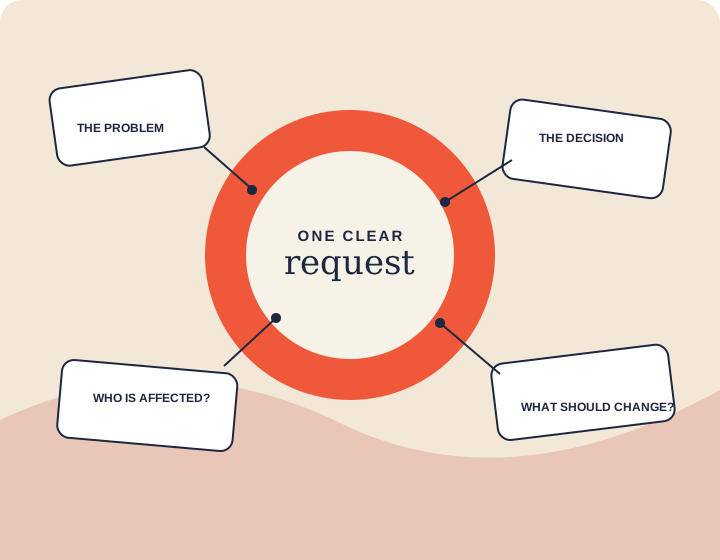
What a petition can—and cannot—do
A petition is a written request asking a person or institution to take a specific action. Signatures show that other people support the request. They do not automatically change a law, require an organization to respond, or prove that every signer agrees on every detail.
Before you begin, learn how the recipient handles petitions. Government portals may have formal requirements; a school board, employer, or business may use a different process. A petition works best when its request matches a real decision the recipient can make.
Start with one issue and one outcome
Write down the problem in a sentence. Then describe the change you want in another sentence. If the request asks for several unrelated changes, people may not know what they are being asked to support.
Request: Ask the city transportation department to assess and install a pedestrian signal at the crossing.
The example is specific enough to investigate. Your own ask should name a place, policy, practice, or decision wherever that detail helps the reader understand the request.
Check the fit before publishing
- Can you explain the concern without relying on insults or claims you cannot verify?
- Is the request within the recipient’s authority?
- Can supporters understand what signing means?
- Is a petition the right next step, or would a meeting, public comment, or direct message work better?